
In today’s bustling marketplace, product labels are more than just pretty packaging. They are crucial gateways to understanding what your customer is buying, using, and consuming.
With an ever-growing array of choices, savvy consumers know that taking a moment to “read the label” can make all the difference in making informed and healthy decisions. But with so much information vying for our attention, what are the truly important things is the customer looking for?

Here’s a comprehensive guide to decoding what goes into product labels and identifying the information that matters most:
1. Product Identity and Brand Information
Product Name and Description: Is it clear what the product is? A concise and descriptive name, along with a brief explanation if needed, helps you quickly understand its purpose.

Brand Name and Logo: This helps you recognize and recall products from trusted manufacturers. Consistency in branding across a product line can also indicate reliability.
Manufacturer Information: Look for the name and contact details (address, website, or phone number) of the company responsible for the product. This is essential for inquiries, feedback, or in case of any issues.

2. Ingredients and Composition
- Ingredients List: This is arguably the most critical section, especially for food, cosmetics, and cleaning products. Ingredients are typically listed in descending order by weight, meaning the first ingredient is the most abundant.

Allergens: Always check for common allergens like nuts, dairy, soy, gluten, and shellfish, especially if you or someone in your household has allergies. These are often highlighted or listed separately.

Artificial Additives: Look for artificial colors, flavors, and preservatives if you prefer to avoid them.
Undesirable Components: For non-food items, be aware of harsh chemicals, strong fragrances, or other components you might want to avoid due to sensitivities or environmental concerns.
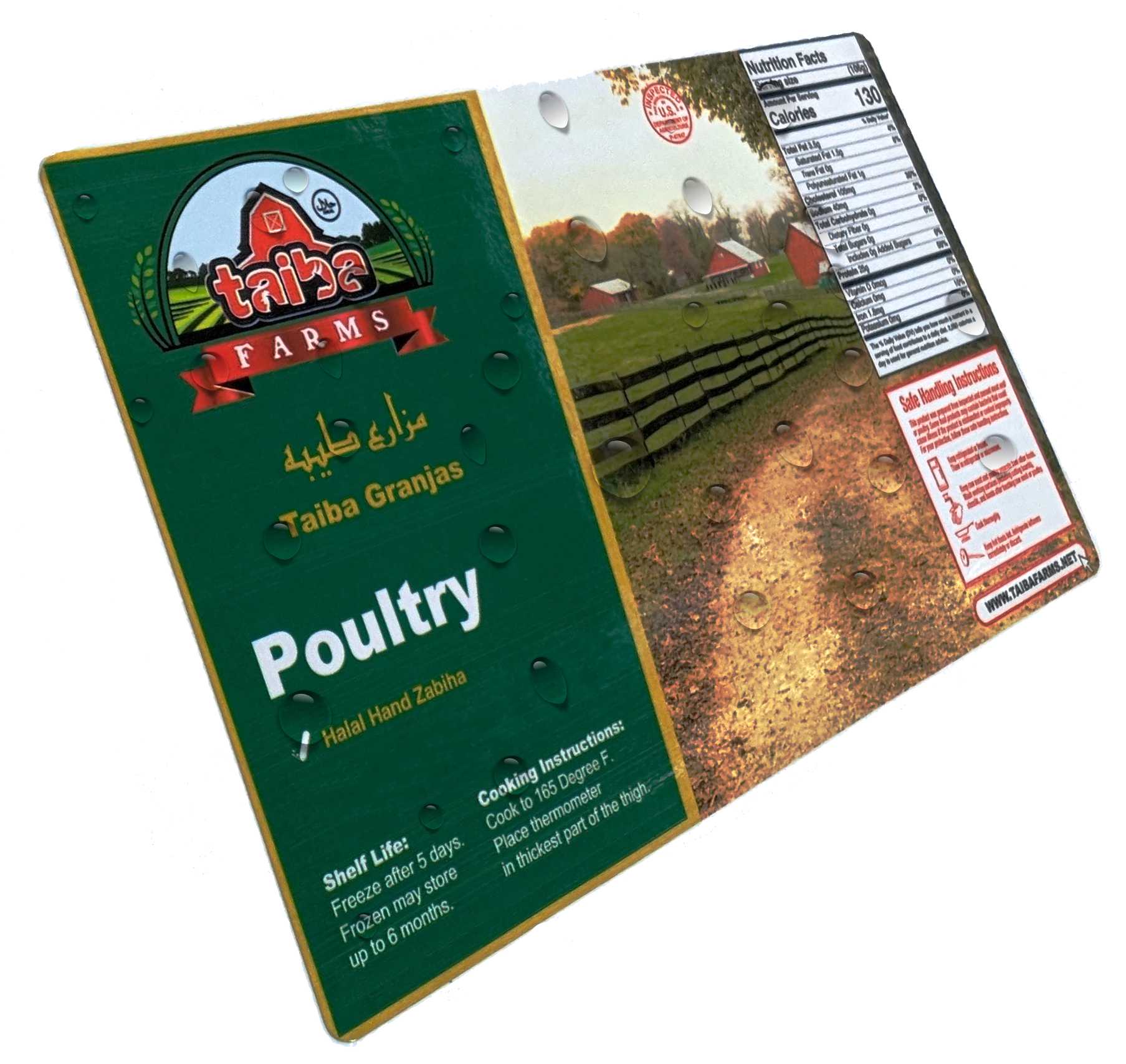
Nutritional Facts Information (for food products): This panel provides details on serving size, calories, fat, carbohydrates, protein, vitamins, and minerals. Manufacturers typically obtain nutrition facts for their products either by conducting laboratory analysis or by using database calculations. Laboratory analysis involves sending product samples to specialized food-testing labs, which measure exact nutritional content including calories, fats, proteins, vitamins, and minerals.
Alternatively, manufacturers may use nutritional databases and software platforms that calculate nutrition values based on standardized ingredient data. Most manufacturers opt for database calculations due to their efficiency and lower cost, although lab analysis can offer greater precision for complex or processed foods. Once obtained, these nutritional values are formatted into a standardized nutrition facts panel that complies with regulatory guidelines, such as those set by the FDA in the United States.
Pay attention to:
Serving Size: Understand how much constitutes a single serving to accurately assess the nutritional content.
Sodium and Sugar: Monitor your intake of these, as excessive amounts can have health implications.
Fiber: Look for products high in dietary fiber for digestive health.

Quick Tip for Scanning QR Codes
Adding a QR code to your product can be a good way to drive traffic to your website.

3. Safety and Usage Information
Directions for Use: Clear and concise instructions on how to properly use the product are essential for effectiveness and safety. This might include dosage for medications, application methods for cosmetics, or cooking instructions for food.
Warnings and Precautions: This section highlights potential hazards, side effects, or conditions under which the product should not be used.
Pay close attention to:
Signal Words like “DANGER,” “WARNING,” or “CAUTION” indicate the severity of potential hazards.

First Aid Instructions: In case of accidental exposure or misuse.
Storage Instructions: Proper storage can maintain product quality and safety (e.g., “refrigerate after opening,” “store in a cool, dry place”).
Expiration or “Use By” Date: This indicates the last date the product is expected to be at its peak quality or safe for consumption. Do not consume or use products past their expiration date.
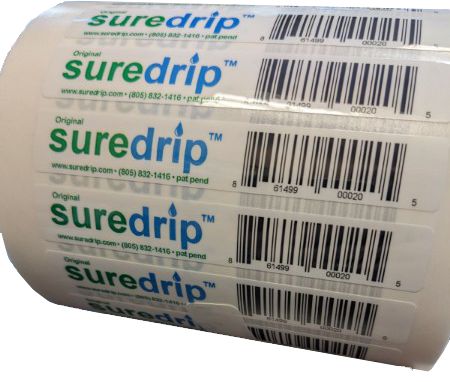
Batch Number: This helps manufacturers trace a product back to its production run in case of a recall or quality control issue.


4. Quantity and Certifications
Net Weight/Volume: This tells you the actual amount of product you are purchasing, excluding the packaging. Compare this across different brands or sizes to determine the best value.
Certifications and Seals: Look for seals or certifications from reputable third-party organizations. These can indicate:
Organic: Products meeting specific organic farming standards.
Non-GMO: Products that do not contain genetically modified organisms.
Fair Trade: Products produced under ethical labor and environmental standards.
Cruelty-Free: Products not tested on animals.
Recyclable Symbols: Indicates if the packaging can be recycled.

5. Legibility and Clarity
Empower Your Customers, Elevate Your Brand
You understand that product labels are powerful tools. They’re not just for identification; they’re vital for consumer empowerment. By providing clear, comprehensive, and accurate label information, you enable your customers to make informed choices that align with their health, values, and budget. This transparency builds trust, enhances brand loyalty, and ultimately leads to a more satisfying and responsible shopping experience for them – and a more successful business for you.
Ready to create labels that truly resonate with today’s informed consumers, driving both trust and sales? Contact Advanced Barcode & Label Technologies by clicking the button below: